
Memecoins grew from an internet joke into a $150B crypto market before losing most of their value. See what fueled the boom and the collapse.
Jackson Palmer was a product manager at Adobe in Sydney, while Billy Markus worked as a software engineer at IBM in Portland. The two had never met in person.
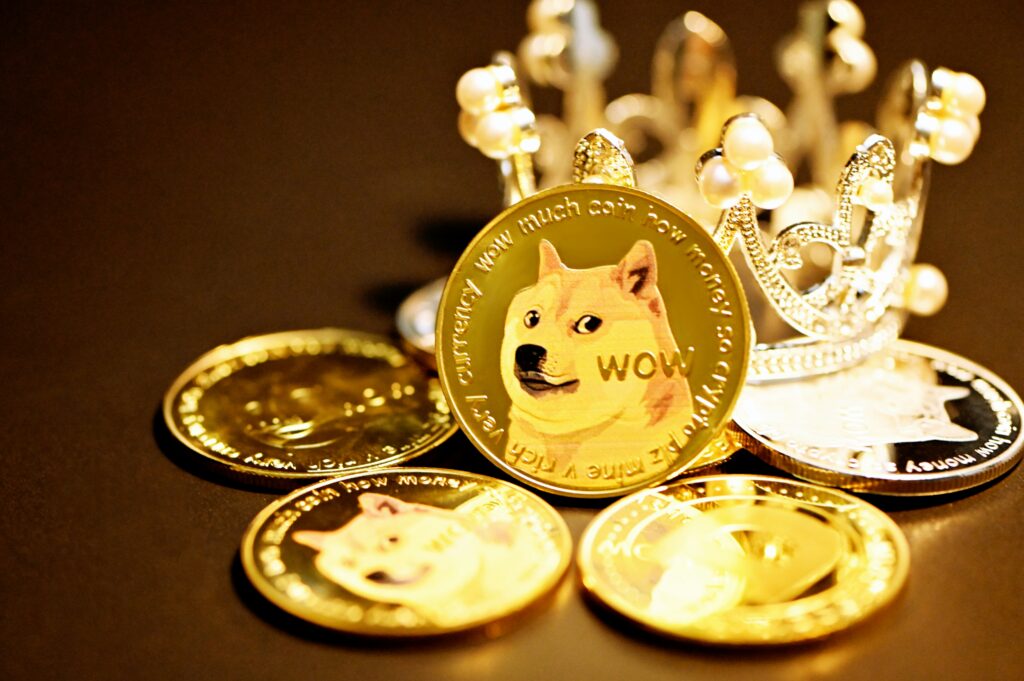
In December 2013, Palmer registered the domain dogecoin.com as a joke. He combined the popular Doge meme, a Shiba Inu dog with Comic Sans captions, with the word “coin.” His goal was to poke fun at the flood of cryptocurrencies created during the 2013 bull market. He also put up a simple landing page featuring the Doge dog and the slogan, “Dogecoin: the next big thing.”
The response surprised him. People loved the joke and wanted Dogecoin to become a real cryptocurrency.
So, Palmer contacted Markus. Markus forked Litecoin’s codebase, added the Doge branding, and set the initial maximum supply at 100 billion coins. He later removed the supply cap. On December 6, 2013, he launched the network. Once the first block was mined, Dogecoin officially went live.
The Joke Becomes Reality
Neither Palmer nor Markus expected Dogecoin to become a serious investment. They created it as satire. However, the market saw something very different.
Within two weeks, Dogecoin reached a market capitalization of $8 million. A month later, the community was already using it for charitable fundraising. By the end of its first year, Dogecoin had one of the most active communities in crypto. It even outperformed many projects that claimed to be more serious.
Eventually, the founders took different paths. Palmer sold his DOGE, left the project, and became one of cryptocurrency’s most outspoken critics. Meanwhile, Markus kept some of his holdings, watched their value climb into the millions, sold part of his stake, and stayed active in the community.
Without realizing it, they had created the blueprint for an entirely new type of digital asset. It relied less on technology and more on internet culture, community enthusiasm, and collective belief. Unlike most cryptocurrencies, it offered no groundbreaking innovation or traditional business model. Even so, it proved that online attention alone could create billions of dollars in market value.
Soon, other developers copied the model. They refined it and scaled it into an entire sector. As a result, memecoins became one of the most influential and controversial trends in cryptocurrency.
This article tells the complete story. It explains how memecoins began, how they grew into a $150 billion market by late 2024, what the on-chain data revealed, and what ultimately ended the cycle in 2025.
What a Memecoin Is and Why the Definition Is Important
Before looking at the history, it’s important to define what a memecoin is. That definition helps explain both its appeal and its risks.
A memecoin is a cryptocurrency whose value comes mainly from internet culture, community support, and social media attention. Unlike many other crypto assets, it is not driven by technological innovation, protocol revenue, or business fundamentals. A memecoin may have its own blockchain, wallet, and trading market. However, in most cases, it has no purpose beyond the collective belief that it has value.
That doesn’t automatically make it a bad project. Many crypto projects have failed despite offering useful technology and practical use cases. A memecoin is different. It is intentionally built around community, culture, and online attention instead of technical innovation.
Dogecoin is the best example. Its creators openly described it as a joke, and its Wikipedia page calls it “a parody.” That honesty is one reason Dogecoin has survived while thousands of other memecoins have disappeared. It never promised to be anything more than it was.
The risk is not that memecoins exist. Instead, the problem begins when developers copy the model and use it to enrich themselves. They create tokens with little or no utility, generate hype through social media, and encourage trading driven by excitement instead of fundamentals. In many cases, insiders profit while ordinary investors bear the losses.
The gap between Dogecoin’s honest joke and later projects such as the TRUMP token is significant. Understanding that gap helps explain how memecoins evolved from internet culture into a market where attention often became more valuable than utility.
The Founding Era: Dogecoin and the Community That Shouldn’t Have Worked (2013–2020)
December 6, 2013
Dogecoin launches. A joke becomes a community.
The early Dogecoin community stood out from most crypto communities in 2013. Bitcoin forums were filled with debates about monetary policy and libertarian ideas. Ethereum attracted developers building smart contracts. Dogecoin, however, attracted people who simply wanted to have fun and use internet money in creative ways.
Its subreddit quickly became one of the largest and most active communities in crypto. One of the most popular activities was tipping. Users sent small amounts of DOGE to strangers on Reddit and Twitter to reward posts they enjoyed. The amounts were tiny, but the idea was new. Cryptocurrency was being used for everyday social interactions instead of investment.
Unlike Bitcoin, Dogecoin made this practical. Its low transaction fees and abundant supply allowed users to send small payments without worrying about high costs.
A Community Built on Generosity
The community soon became known for its charitable efforts. In January 2014, Dogecoin users raised $30,000 worth of DOGE to send the Jamaican bobsled team to the Sochi Winter Olympics after the team qualified but couldn’t afford the trip.
Two months later, the community raised $55,000 to sponsor NASCAR driver Josh Wise. The Dogecoin logo appeared on his car at the Talladega Superspeedway. Members also raised $11,000 to fund clean water projects in Kenya.
These fundraising campaigns were not remarkable because of their size. Instead, they showed that the community enjoyed working together. Dogecoin had become more than a joke. It had become a shared internet culture.
In 2015, Jackson Palmer sold his DOGE and stepped away from the project. He later argued that cryptocurrency had become “a highly speculative market” dominated by “a powerful cartel of wealthy figures” with “a strong incentive to suppress these kinds of conversations.” His departure foreshadowed the growing disillusionment that many people would later feel toward the industry. Meanwhile, Billy Markus continued to watch the project from the sidelines.
Between 2015 and 2020, Dogecoin spent most of its time trading for fractions of a cent. Its market capitalization fluctuated between tens of millions and a few hundred million dollars. Even so, the community remained active, and price was rarely the main focus.
For nearly seven years, Dogecoin remained exactly what Palmer and Markus had intended. It was a fun internet currency with no grand ambitions. Ironically, the same coin would later grow into an asset worth $88 billion at its peak.
Elon Musk, WallStreetBets, and the First Memecoin Mania (2021)
2021
Dogecoin reaches $88 billion. Shiba Inu reaches $41 billion. Memecoins become serious money.
The 2021 memecoin mania did not appear overnight. It was driven by two trends that had been building throughout 2020. The first was the rise of the WallStreetBets retail trading movement. The second was Elon Musk’s growing influence on Dogecoin.
WallStreetBets began as a Reddit community where retail traders shared high-risk options trades and joked about their losses. By January 2021, it had grown to millions of members. That month, the community orchestrated the famous GameStop short squeeze. The coordinated buying campaign cost hedge funds billions of dollars and turned GameStop into a global headline.
More importantly, it proved that online communities could move financial markets. Traditional valuation mattered less when millions of retail investors acted together. That lesson quickly spread to crypto and created the perfect environment for memecoins.
The Elon Musk Effect
Elon Musk had been posting about Dogecoin since 2019. At first, his tweets were mostly jokes that caused brief price spikes before the market settled down. By 2021, however, Musk was the world’s richest person, the CEO of Tesla and SpaceX, and one of Twitter’s most influential voices. His comments now reached millions of investors.
In January 2021, Musk tweeted “Doge” with a rocket emoji. Dogecoin jumped about 50% within hours. A month later, he called Dogecoin “the people’s crypto.” Each post attracted more attention and pushed the price even higher.
The excitement reached its peak in May 2021 when Musk hosted Saturday Night Live. He appeared as the “Dogefather,” one of the show’s biggest episodes in years. By then, Dogecoin had already been rallying for months.
During the show, Musk described Dogecoin as “a hustle.” Investors reacted immediately. DOGE fell about 30% during the broadcast, even as the studio audience laughed.
The sharp decline highlighted one of the defining features of memecoins. The biggest news event often marks the top of the market. By the time Musk appeared on television, most buyers had already entered. With few new buyers left, many investors used the event as an opportunity to sell.
Dogecoin and Shiba Inu Reach New Highs
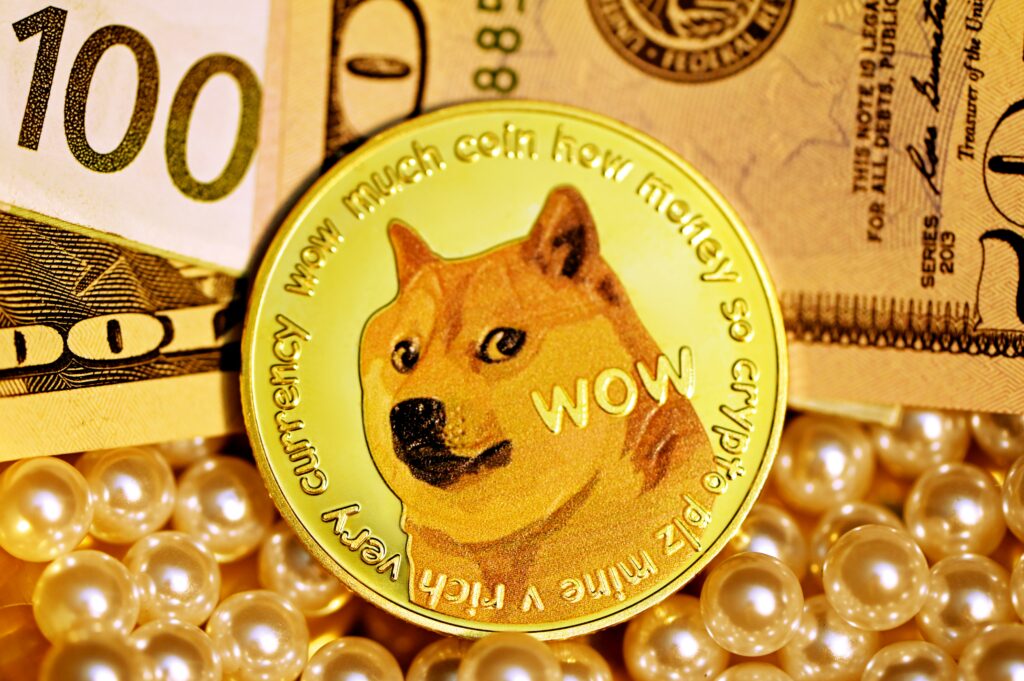
Dogecoin reached approximately $0.73 in May 2021, giving it a market capitalization of nearly $88 billion. For perspective, that briefly made Dogecoin more valuable than Honda. A cryptocurrency created as a joke by two developers who had never met was suddenly worth more than one of the world’s largest automobile manufacturers.
The comparison says less about Honda than it does about market psychology. Social media attention, celebrity influence, and retail enthusiasm combined to push an asset with little fundamental value to extraordinary heights.
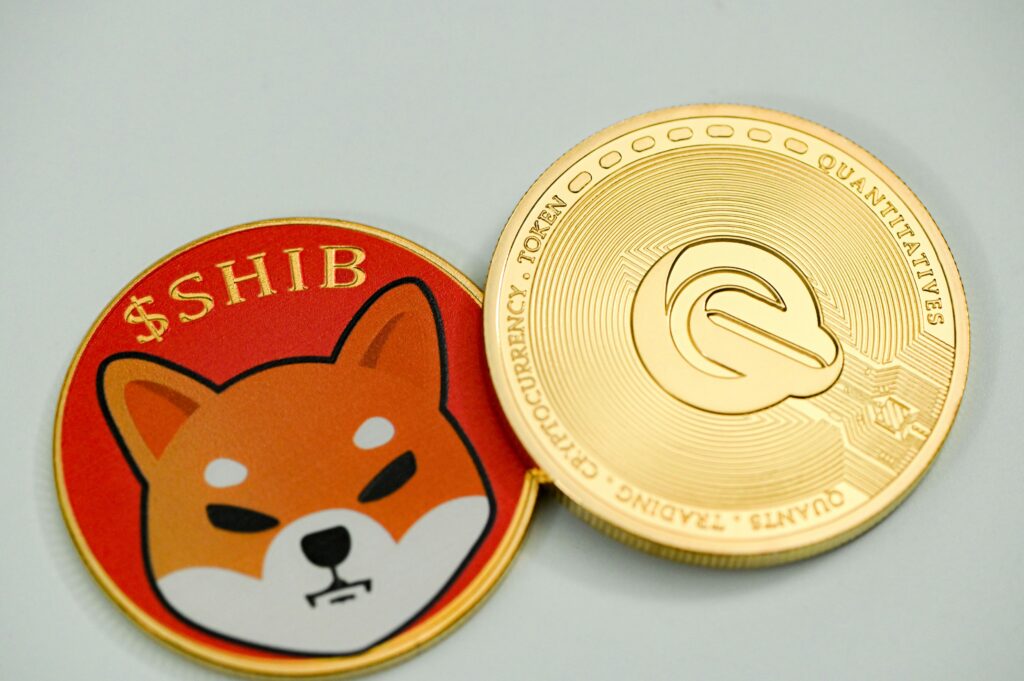
Shiba Inu followed a similar path. The token launched in August 2020 under the pseudonym Ryoshi and promoted itself as the “Dogecoin killer.” By October 2021, SHIB reached a market capitalization of about $41 billion.
Ryoshi sent half of SHIB’s total supply to Ethereum co-founder Vitalik Buterin. The move was designed to attract publicity. Instead, Buterin donated most of the tokens to COVID-19 relief efforts in India and burned the majority of the rest. Although he never intended to support the project, many SHIB holders viewed the burn as a positive development.
By the end of 2021, memecoins had delivered some of the largest gains of the entire crypto cycle. They also produced some of the largest retail losses. Many investors bought near the top and held through declines of 70% to 90%.
As our research on bull market psychology shows, a surge in memecoin activity is often one of the clearest signs that a market cycle is approaching its peak. The sharp rise in memecoins during the final months of 2021 came only weeks before Bitcoin reached its all-time high in November.
The Bear Market and the PEPE Interlude (2022–2023)
The 2022 bear market hit memecoins harder than almost every other part of the crypto market. DOGE fell from $0.73 to about $0.06, losing roughly 92% of its value. SHIB also dropped by more than 90% from its peak.
SafeMoon, one of the most heavily promoted memecoins of the 2021 cycle, performed even worse. It charged a 10% fee on every transaction. Half of that fee went to existing holders. Critics argued that the system mainly benefited the project’s developers. Eventually, US authorities charged SafeMoon’s founders with securities fraud and wire fraud.
For most of 2022 and into 2023, the memecoin market stayed quiet. Dogecoin’s Reddit community remained active. Meanwhile, SHIB developers continued working on the Shibarium Layer 2 network. Even so, the excitement that drove the 2021 rally had largely faded.
New memecoins continued to launch, but few gained much attention. Then PEPE arrived.
April 2023
PEPE launches. Ethereum memecoins enter the spotlight.
PEPE launched in April 2023 as an ERC-20 token on Ethereum. It was based on Pepe the Frog, an internet meme that first appeared in 2005. Over the years, the meme became one of the internet’s most recognizable characters. It also went through several cultural and political controversies.
Unlike many crypto projects, PEPE had no presale. It raised no venture capital. It also had no official development team.
The anonymous creator described it as “a meme coin with no intrinsic value or expectation of financial return.” From the beginning, the project made no promises about utility or long-term value.
PEPE’s growth surprised the market. Within two weeks, its market capitalization exceeded $1.6 billion. Less than a month after launch, Binance, OKX, and Bybit had listed the token.
PEPE showed that the memecoin market had changed. In 2021, celebrity attention played a major role in driving prices higher. By 2023, a recognizable meme, strong social media interest, and listings on major exchanges could attract billions of dollars.
PEPE also showed that the 2021 memecoin boom was not a one-time event. Interest faded during the bear market but returned as confidence came back to crypto. Investors were willing to take bigger risks again.
PEPE marked the start of a new memecoin cycle. The much larger boom of 2024 followed soon after.

PumpFun and the Industrialization of Memecoins (2024)
The 2024 memecoin cycle looked different from every cycle before it. The biggest change was not investor behavior. As our research on bull market psychology shows, those patterns stayed much the same. The difference was the technology behind the market.
For the first time, almost anyone could create and launch a memecoin in just a few minutes. The process required no coding skills and cost very little.
Pump.fun launched on Solana in January 2024. The platform made creating a memecoin simple. Users chose a name, uploaded an image, added a short description, and launched a token within minutes. The cost was about $2.
Each token started trading on a bonding curve. Once it reached a market value of $69,000, Pump.fun automatically moved its liquidity to Raydium, Solana’s main decentralized exchange. This made the token available to a much larger group of traders.
Pump.fun grew quickly. By January 2025, it was generating about $130 million in monthly revenue. That was more than many established DeFi protocols had ever earned.
On its busiest days, users launched more than 70,000 new tokens.
Pump.fun made memecoin creation easier than ever. As a result, thousands of new tokens entered the market every day. At the same time, traders kept searching for the next big winner. Together, those two forces fueled the biggest memecoin boom in crypto history.
70,000
New memecoin launches per day on Pumpfun at its peak (January 2025)
Most of these tokens failed within hours of launching. Fewer than 2% reached the $69,000 market value needed to graduate to Raydium. Even among those that graduated, only a small number maintained meaningful trading activity. Pumpfun made it easy to create new tokens, but demand could not keep up with the growing supply
Solana made Pump.fun possible in a way that Ethereum could not. Transaction fees were only a fraction of a cent, making it cheap to create, trade, and abandon tokens. The network could also process thousands of transactions every second, allowing it to handle heavy trading activity.
Pumpfun combined those technical advantages with a simple interface that almost anyone could use. Together, they made it possible to launch more memecoins than ever before.
The broader memecoin market also expanded. Its total market capitalization grew from about $20 billion at the start of 2024 to more than $120 billion by December. That represented a 500% increase in a single year.
Trading activity rose just as quickly. Daily memecoin trading volume increased 767% year over year and reached $87.4 billion on its busiest days.
By the end of 2024, the memecoin market had returned to the size seen during the 2021 boom. This time, however, it included thousands of additional tokens built on Solana and launched through platforms like Pumpfun.

The Political Memecoins Era and What It Revealed (2025)
January 17–19, 2025
TRUMP launches. Reaches $75. Collapses. The cycle turns.
The political memecoin era did not cause the market to collapse. Instead, it exposed many of the problems that had built up during the 2024 boom. Because these projects involved world leaders, they attracted far more attention than previous memecoins.
The Launch of TRUMP
On January 17, 2025, two days before Donald Trump’s presidential inauguration, the official Trump social media accounts announced TRUMP, a memecoin built on Solana.
Entities connected to Trump’s business interests controlled about 80% of the token supply through vesting schedules. The remaining 20% was released to the public through an initial liquidity pool.
Within 24 hours, TRUMP climbed to about $75 per token, giving it a market capitalization of roughly $15 billion.
Part of the excitement came from the fact that a sitting U.S. president had launched a cryptocurrency token. Many buyers also believed the token could benefit from Trump’s political influence or a friendlier regulatory environment.
Onchain data later showed a different picture.
As trading volume surged, entities connected to the project collected hundreds of millions of dollars in trading fees. At the same time, they sold tokens into the market.
Many people who bought TRUMP near its peak suffered heavy losses. By mid-2025, the token had fallen to around $5, a decline of more than 90%. CoinGecko estimated that about 86% of TRUMP holders lost money. Meanwhile, the entities that controlled most of the supply captured much of the profit.
More Political Memecoins Follow
Two days later, MELANIA launched. The new token divided attention and liquidity between the two projects.
Around the same time, Argentine President Javier Milei promoted LIBRA. The token reached a market capitalization of about $107 million before collapsing. Estimates suggest that around 86% of LIBRA participants lost a combined $251 million. The project also became the subject of a federal investigation in Argentina.
Although these tokens had different stories, they followed a similar pattern. A small group controlled most of the supply. Public buyers pushed prices higher. Early holders and insiders benefited the most, while many late buyers were left with losses.
These political memecoins changed the conversation around the sector.
For years, critics argued that memecoins mainly transferred money from late buyers to early holders. Supporters dismissed those claims as part of speculative trading.
The events of 2025 brought that debate into the spotlight. When projects linked to political leaders produced the same outcome, more people began to question whether the memecoin market primarily rewarded insiders rather than the wider community.
The Collapse: $150 Billion to $33 Billion (2025)
The memecoin market reached a combined value of about $150 billion in late 2024. By November 2025, that had fallen to between $33 billion and $47 billion, depending on the source and measurement date. The decline ranged from 73% to 78%.
This was not a single crash. The market weakened over many months as several problems emerged at the same time.
Too Many Tokens, Too Few Buyers
Pumpfun made it easy for anyone to launch a memecoin. At its peak, more than 70,000 new tokens appeared every day.
As the number of tokens grew, traders’ attention became spread across thousands of similar projects. Most never gained traction. By mid-2025, only 0.26% of weekly launches reached the market value needed to graduate to Raydium. Even as prices fell, more than 33,000 new tokens were still launching every day. Supply kept growing while demand continued to fall.
The TRUMP Effect
The political memecoin controversies also damaged confidence.
For many traders, the TRUMP token highlighted how profits could flow to early holders while late buyers absorbed most of the losses. Onchain data made those movements visible, making it easier for the public to see how value was transferred.
CoinGecko’s State of Memecoins Report 2025 identified criticism over the lack of real value and a series of high-profile scams as major reasons for the market’s decline.
Pumpfun’s Revenue Collapse
Pumpfun’s own numbers reflected the slowdown.
Monthly revenue fell from about $130 million in January 2025 to $24.96 million by July. That was a decline of roughly 80% in just six months.
Daily revenue also dropped sharply. After reaching about $7 million at its peak, it fell below $300,000 for the first time in September 2025.
The company also faced legal challenges. Investors filed a class-action lawsuit alleging that Pump.fun had worked with Solana infrastructure companies to create what they described as an “insider-rigged casino.” The lawsuit added more pressure as trading activity continued to decline.
Pump.fun had become one of Solana’s biggest sources of on-chain activity. As the platform slowed, the network felt the impact.
Average daily network fees fell from about 33,000 SOL in January 2025 to roughly 5,300 SOL by June. Lower trading activity reduced validator revenue and slowed one of Solana’s busiest parts of the ecosystem.
$150B
Memecoin market cap peak — late 2024
$33B
Memecoin market cap by early 2026—78% decline
Retail Attention Ran Out
CoinGecko data showed that memecoin-related pageviews fell by more than 80% between early 2025 and the end of the year.
The United States, which accounted for about 30% of memecoin-related traffic by November 2025, also recorded a steady decline in engagement.
The number of new people entering the market continued to shrink. Many had already tried trading memecoins during the boom and lost money. Without a steady flow of new buyers, interest continued to fade.
What the Onchain Data Revealed
Price charts tell only part of the story. On-chain data show how memecoins were bought, sold, and distributed among different groups of holders.
Across major memecoins, from DOGE in 2021 to TRUMP in 2025, the same pattern recurred. A small number of wallets accumulated large positions before most public buyers entered the market.
As demand pushed prices higher, those early holders sold into the buying pressure. The price charts showed the rise and the fall. Onchain data showed who bought early and who sold later.
TRUMP became one of the most closely studied memecoins because of its political connections.
Blockchain analysts tracked trading fees, insider vesting schedules, and wallet activity. Their findings matched the price action. Early holders captured most of the gains, while many people who bought later lost money.
Pumpfun’s graduation rate also showed how difficult it was for new memecoins to succeed.
By mid-2025, only 0.26% of launched tokens reached the market value needed to graduate to Raydium, the milestone that moved them into the wider trading market. Even after reaching that milestone, many lost trading activity within days or weeks.
Most memecoins never attracted lasting demand. Many fell close to zero within days or weeks.
A small number of tokens still reached very high valuations. Fartcoin peaked at a market capitalization of about $392.5 million, while Pippin reached roughly $442 million.
Those projects received widespread attention and encouraged more people to enter the market. Even so, they were rare exceptions. The onchain data showed that most memecoins failed, while only a small number produced lasting gains.
The Economics of Memecoin Markets
Memecoin trading is a zero-sum game. Every dollar one trader gains comes from another trader’s loss before fees are taken into account.
Unlike stocks, memecoins do not generate revenue or produce cash flow. Their prices rise only when other buyers are willing to pay more.
CoinGecko’s 2025 analysis found that about 60% of memecoin traders lost money overall. A small group of early participants captured most of the gains. These included insiders, traders using automated bots, and people who entered before the wider market. Most other traders lost money.
This does not mean nobody can profit from memecoins. Some traders do earn substantial returns. However, those gains come at the expense of other market participants.
Social media can make those winners seem more common than they really are. Stories of 100x returns and screenshots of wallets growing from $100 to $100,000 spread widely online. The much larger number of losing trades rarely receives the same attention.
Which Memecoins Survived the Crash
Some memecoins survived the collapse; many did not.
As of mid-2026, Dogecoin remained the largest memecoin, with a market capitalization of about $13.7 billion. That was well below its 2021 peak, but it was still the market’s longest-lasting success story.
Shiba Inu also remained active. Its Shibarium Layer 2 network gave the project an ecosystem beyond the token itself. PEPE continued to hold a market capitalization in the billions. A small number of Pumpfun launches, including Fartcoin and Pippin, also retained large valuations.
Most memecoins from the 2024 and 2025 boom disappeared.
Millions of tokens launched on Pump.fun during that period. Most either lost nearly all of their value or were left with very little trading activity.
The political memecoins followed the same pattern. TRUMP, MELANIA, and LIBRA all fell between 80% and 95% from their peak prices. Projects that depended on memecoin trading also saw their revenue decline.
Dogecoin survived for a different reason.
It was not because its technology was better. Dogecoin still runs on a blockchain based on Litecoin, and it has seen little technical development over the years.
Instead, Dogecoin had something many newer memecoins never had the chance to build: a community.
The Jamaican bobsled fundraiser, the NASCAR sponsorship, and years of tipping on Reddit. These events gave Dogecoin an identity that went beyond its price. That community remained through bear markets, while many newer memecoins disappeared within months of launching.
What Memecoins Revealed About Crypto Markets
The memecoin cycle revealed several lessons about how crypto markets work.
Stories Can Move Markets
One lesson is that stories can drive prices just as much as technology or fundamentals.
Memecoins showed this more clearly than almost any other crypto asset. Tokens with no underlying business or cash flow still reached market capitalizations worth billions of dollars because enough people believed in the story behind them.
This is not unique to memecoins. Many financial markets behave the same way when prices are driven by investor sentiment. Memecoins made the pattern easier to see.
More Supply Doesn’t Create More Demand
Pumpfun made it easier than ever to launch new tokens. That did not create an endless market for memecoins.
Instead, thousands of similar projects competed for the same group of buyers. As more tokens entered the market, it became harder for any single project to attract lasting attention.
The number of memecoins has no practical limit; demand does.
Early Holders Had the Advantage
The onchain data also showed a consistent pattern.
In many memecoin launches, a small group acquired tokens before the wider public entered the market. As prices rose, those early holders sold into the buying pressure. Many people who bought later were left with losses.
The TRUMP token made this pattern far more visible because of the public attention it received. However, it was not unique to TRUMP. The same pattern appeared in many other memecoin launches during 2024 and 2025.
Bull Markets Attract More Scams
The memecoin boom also matched a broader trend in crypto.
Our research on crypto hacks and scams shows that fraud tends to increase during bull markets. The 2024 and 2025 memecoin cycle followed the same pattern.
Creating a token became cheap and simple. At the same time, many new buyers entered the market. That combination led to more rug pulls, fake projects, and other scams.
Cases such as SafeMoon, TRUMP, and LIBRA, along with thousands of smaller token launches, showed how quickly bad actors could take advantage of market excitement.
What I’m Watching
The memecoin market is not gone. It is between cycles. The next question is whether the market repeats the same pattern or changes after what happened in 2024 and 2025.
Pump.fun’s Graduation Rate
One metric I watch closely is Pumpfun’s graduation rate, the percentage of new tokens that reach the market value needed to migrate to Raydium.
When the graduation rate was above 1%, enough buyers were entering the market for a meaningful number of tokens to succeed. By mid-2025, that figure had fallen to 0.26%, showing that new token launches far outpaced demand.
If that rate begins to rise again, it could be an early sign that the market is recovering.
The Next Bull Market
The wider crypto market also plays an important role.
As our research on bull market psychology and the Bitcoin halving cycle shows, memecoin activity tends to increase during the later stages of bull markets and fade during bear markets.
With Bitcoin trading around $75,000 in mid-2026 and the market still below its previous peak, the conditions that fueled the 2024 and 2025 memecoin boom have not yet returned.
Regulation
Regulation is another area to watch.
The TRUMP token drew more political and regulatory attention than any previous memecoin. Investigations, enforcement actions, and the ongoing Pumpfun lawsuit could influence how future memecoins are launched, traded, and listed on exchanges.
A Full Circle Moment
When Jackson Palmer created Dogecoin in 2013, it was meant as a joke about the growing excitement around cryptocurrencies.
Eleven years later, memecoins had grown into a market worth $150 billion before losing most of that value. The cycle showed both the power of online communities and the risks of markets driven by attention, momentum, and easy token creation.
Key Takeaways
Dogecoin launched the memecoin market. Created in December 2013 as a joke by two software engineers who had never met, Dogecoin started a category that later reached $150 billion before losing about 78% of its value.
The 2021 boom was driven by attention. WallStreetBets and Elon Musk helped push Dogecoin to an $88 billion market capitalization and Shiba Inu to $41 billion, even though neither token had an underlying business or cash flow.
Pump.fun changed how memecoins were created. Launched in January 2024, it allowed anyone to create a token in minutes for about $2. At its peak, more than 70,000 new tokens launched each day. Fewer than 2% reached the market value needed to graduate to Raydium.
The TRUMP token exposed how many memecoin launches worked. Entities connected to the project controlled 80% of the supply and collected hundreds of millions of dollars in trading fees. About 86% of TRUMP holders lost money, raising broader questions about fairness in the memecoin market.
The market then entered a sharp decline. Memecoins fell from about $150 billion to roughly $33 billion between late 2024 and early 2026. Too many new token launches, weaker demand, and falling confidence all contributed to the decline.
Dogecoin outlasted most of its rivals because of its community. Years of charitable campaigns, Reddit tipping, and community projects helped it survive multiple market cycles. Most newer memecoins disappeared before they had time to build anything similar.
Sources & Further Reading
- Memecoin Boom Turns Into Quiet Capitulation After $150 Billion Peak — CoinDesk
- What the Memecoin Market Crash Reveals About Crypto Speculation and Political Hype — MEXC
- Are Memecoins Making a Comeback in 2026? — Yahoo Finance
- Memecoins Lost $110B Since 2024 Peak, Pump.fun Crashes 80% — Bitcoin Foundation News
- The Heat Death of Memecoins: Tracking the Hype and Rapid Cooldown of 2025 — BestBrokers
- 2025 in Memecoins: Trump’s Token, Scandals, ETFs and Lawsuits — DL News
- Pump.fun Hits Lowest Monthly Revenue in 2025 as Memecoins Lose Steam — TradingView
- Pump.fun Logged Its Worst Month Yet: What’s Behind the $25M Revenue Drop — AMBCrypto
- The Ultimate Memecoin Guide 2025: History, Hype, Risks and Opportunities—InteractiveCrypto
- From Doge to Moon: The Wild History of Meme Coins — Tap
- Memecoins: Definition, History, Features, How to Trade, Future — Bravos Research
- The History of the Memecoin: How It Started, How It’s Going — SwapSpace