
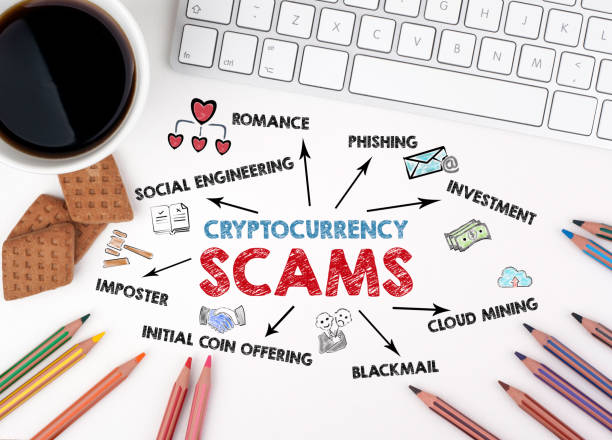
Crypto scams are more than financial losses. Understand the patterns, psychology, and red flags behind the biggest frauds and why they keep succeeding.
Every major crypto bull market produces a corresponding wave of fraud. That relationship is not a coincidence. As documented in our research on bull run psychology, the euphoria that defines late-cycle markets reduces vigilance, increases risk appetite, and creates the psychological conditions that make people believe things they would dismiss in calmer markets. Scammers do not create those conditions. They find them and take advantage of them.
Each bull market also produces its own defining scams. The 2013 cycle gave us the early Ponzi schemes and fake exchanges that established the fraud playbook. The 2017 ICO boom produced OneCoin, BitConnect, and hundreds of smaller scams that extracted billions from retail investors who had no framework for judging what legitimate crypto projects looked like. The 2021 cycle produced PlusToken’s aftermath, SafeMoon, the Squid Game token, and the beginning of the industrialized rug-pull era. Then the 2024-2025 cycle produced the political memecoin extraction documented in our memecoin research, social media impersonation at scale, and AI-powered scam operations that could generate fraudulent content faster than any previous generation of scammers.
In 2025 alone, people lost more than $2.17 billion to crypto scams. That figure includes only reported losses from identified schemes. The true number, once unreported cases and ongoing investigations are included, is almost certainly higher. Since 2011, cumulative losses from crypto scams have reached tens of billions of dollars.
This guide traces that history. It documents every major category of crypto scam, the psychological tactics behind each one, the warning signs that appeared before they collapsed, and what changed and what did not after every wave of fraud.
Why Crypto Is Uniquely Vulnerable to Fraud
Fraud exists in every financial market. Ponzi schemes, fake investment advisors, and fraudulent securities offerings predate crypto by decades. What makes crypto fertile ground for scams is a combination of features that are also the technology’s greatest strengths. Those same features are also its greatest vulnerabilities.
The first is irreversibility. Once a Bitcoin transaction is confirmed, no authority can reverse it. Unlike a bank transfer, which can sometimes be recalled, or a credit card payment, which can be disputed and charged back, crypto sent to a scammer’s wallet is gone. There is no dispute process. There is no central authority to appeal to. This property gives Bitcoin its censorship resistance and makes it useful for people living under financial censorship. It also means fraud victims have no way to recover their funds after the theft.
The second is pseudonymity. Blockchain transactions are public and traceable, but the identities behind wallet addresses are not. Scammers can build entire organizations, raise hundreds of millions of dollars, and disappear without revealing who they are. Ruja Ignatova built OneCoin around her own identity, but her co-conspirators and the infrastructure behind the scheme remained hidden. After she disappeared, investigators had to reconstruct the operation from financial records and communications instead of a transparent record showing who received what.
The Human Factor
The third is the knowledge gap between actors and retail investors. As documented in our research on why crypto projects fail, the average retail investor does not have the technical background to judge whether a project’s claims are credible. When BitConnect claimed its trading bot could generate 1% daily returns, most investors had no framework for deciding whether those returns were mathematically sustainable. The same knowledge gap that makes crypto accessible, because you do not need to understand elliptic curve cryptography to own Bitcoin, also makes it easier for scammers to make technical claims that sound credible to uninformed investors.
The fourth is the genuine possibility of extraordinary returns. Bitcoin went from $0.003 to $126,000. Ethereum went from $0.43 to $4,950. Early Solana holders generated returns measured in thousands of percent. These outcomes make implausible promises more credible than they would be in any other asset class. When legitimate assets have produced returns of 10,000%, a promise of 1% daily returns is only slightly more aggressive than what some investors experienced. The scammer’s promise lands in a market where the extraordinary has already happened, making it harder to dismiss as impossible.
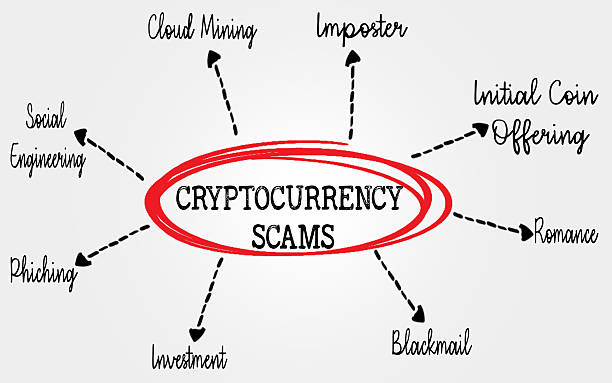
The Fraud Taxonomy: Six Categories of Crypto Scams
Crypto scams are not all the same. Each type follows its own pattern, and learning how they work makes the warning signs much easier to spot. While they all aim to separate people from their money, they rely on different tactics and appeal to different emotions.
1. Ponzi Schemes
The oldest fraud in finance, paying existing investors with money from new investors instead of genuine investment returns, moved into crypto with very few changes. Instead of claiming to invest in stocks or other traditional assets, operators tell investors they have a trading bot, a proprietary algorithm, or an AI-powered arbitrage system producing steady profits. Early investors usually receive the returns they were promised because those payments come from new deposits. The fraud falls apart when new money slows, and there is no longer enough cash to meet withdrawal requests.
2. Rug Pulls
A rug pull begins with a project that was created to extract money from investors. Developers launch a token, build excitement across social media, attract liquidity from retail buyers, and then drain the trading pool before disappearing. The token price collapses almost immediately.
This became the DeFi era’s version of the exit scam because platforms like Ethereum and Solana allow anyone to launch a token with little friction. As documented in our memecoin research, the Pump.fun era turned rug pulls into a daily occurrence, with thousands taking place every day at the peak.
3. Fake Exchanges and Wallets
Some scammers copy the look and feel of trusted exchanges or wallet apps to convince people to deposit their crypto. Once funds arrive, withdrawals are delayed, blocked, or never processed.
The Turkish exchange Thodex, which halted withdrawals in April 2021 before its CEO vanished to Albania, is one of the best-known examples. Fake wallet apps follow the same playbook. They appear to work normally but secretly send users’ private keys to the people behind the app.
4. Social Engineering and Impersonation
Another common tactic is pretending to be someone people already trust. Scammers impersonate figures such as Elon Musk, Vitalik Buterin, and CZ Binance to promote fake giveaways that promise more crypto in return for an initial payment.
The classic “send 1 ETH, receive 2 ETH” scam has generated hundreds of millions of dollars in losses despite sounding obviously unbelievable. It continues to work because scammers reach millions of people. Even if only a tiny percentage respond, the operation can still generate large profits.
5. Pig Butchering (Romance Scams)
Pig butchering is a long-form fraud that begins with a relationship instead of an investment pitch. Scammers spend weeks or even months building trust through friendship or romance before introducing a fake investment opportunity.
Victims are “fattened up” by receiving small early returns that make the platform appear trustworthy. Once confidence grows, they are encouraged to invest larger amounts until the money disappears. The FBI identified pig butchering as one of the fastest-growing fraud categories in 2023 and 2024, with annual losses reaching billions of dollars, especially among older adults and people with limited investing experience.
6. Fake Projects and Investment Fraud
Some crypto projects raise money through token sales or private investments without ever intending to build what they promised. Unlike rug pulls, these projects can continue operating for months or even years. They publish updates, stay active in community channels, and keep investors hopeful while little meaningful progress takes place.
Eventually, the founders disappear or release a product so far below what they promised that investors are left with little or no value. The ICO boom produced more of these projects than any other period in crypto’s history.
The Crypto Scams That Defined Each Era
2014-2019
OneCoin: The $4 Billion Fraud With No Blockchain
$4 to $4.4 billion stolen from an estimated 3.5 million investors across 175 countries
OneCoin became one of the biggest crypto scams in history, even though it never had a blockchain. Launched in 2014 by Ruja Ignatova, later known as the “Crypto Queen,” the project attracted millions of investors by promising to become the next Bitcoin. Instead of selling a cryptocurrency, OneCoin sold educational packages that came with tokens while encouraging members to recruit others through a multilevel marketing program.
Ignatova knew how to build trust. She held a PhD in law from the University of Konstanz and had worked at McKinsey. During presentations, she spoke confidently about blockchain technology and filled her pitches with language that sounded convincing to audiences who had little way of checking whether her claims were true. She positioned OneCoin as a better version of Bitcoin, one that was more efficient, easier to use, and built for mass adoption.
Behind the marketing, there was no cryptocurrency. There was no blockchain. The entire operation was built on a database controlled by the company.
How OneCoin Convinced Millions
People believed they were mining coins after buying OneCoin’s educational packages, but the “mining” happened only inside the company’s own system. The company created the tokens, controlled the database, and decided what every coin was worth. Unlike Bitcoin, where prices are set by the market, OneCoin simply displayed whatever value it wanted investors to see.
The fraud grew because members had a financial incentive to bring in new investors. Every successful referral generated commissions, turning thousands of ordinary people into enthusiastic promoters. Many genuinely believed OneCoin was legitimate, making the community itself one of the project’s strongest selling points. As more people joined, the growing network made the project look even more credible.
By 2017, regulators around the world had begun investigating. In October of that year, Ignatova boarded a flight from Sofia to Athens and disappeared. No one has seen her publicly since. Her brother, Konstantin Ignatov, took over the business before authorities arrested him in Los Angeles in 2019. He later pleaded guilty and cooperated with prosecutors. Meanwhile, OneCoin co-founder Karl Sebastian Greenwood also pleaded guilty to fraud and money laundering, admitting they had built the project as a scam from the very beginning. As of mid-2026, Ruja Ignatova remains on the FBI’s Ten Most Wanted list.
OneCoin’s scale was not an accident. It combined nearly every ingredient found in the largest crypto scams: a charismatic founder with impressive credentials, a referral system that encouraged ordinary investors to become marketers, claims that few people could verify, and enough early success to convince millions that everything was working exactly as promised.
2016-2018
BitConnect: The Ponzi That Became a Meme
$2.4 billion in direct losses, approximately $3.5 billion including indirect market damage
BitConnect holds a unique place in crypto’s fraud history. It was not the biggest scam by money stolen. OneCoin and PlusToken both caused greater direct losses. But during the 2017-2018 bull market, no scam became more recognizable. The video of promoter Carlos Matos shouting, “Hey hey hey! BitConnect!” at a Las Vegas conference still captures the irrational optimism that defined the era.
BitConnect promised investors monthly returns of up to 40% through an automated trading bot. To participate, users deposited Bitcoin on the platform and received BitConnect’s BCC token in return. The company claimed its proprietary trading bot generated about 1% daily returns through market trading. In reality, it paid existing investors with deposits from new ones.
The model was that investors handed over their Bitcoin, the platform credited them with BCC tokens, and early users received the promised payouts. Those payments convinced more people to join, creating the appearance of a successful investment platform.
The Promise That Should Have Raised Questions
BitConnect’s 1% daily return translated to roughly 3,778% annually when compounded. No legitimate investment strategy can produce returns like that year after year. Yet many investors ignored the math because the platform paid early withdrawals. As long as new deposits kept flowing in, the system appeared to work.
Its BCC token eventually reached a market capitalization of more than $2 billion before everything unraveled. Once confidence disappeared, the token lost about 99% of its value almost overnight.
BitConnect also grew through an aggressive network of promoters. Dozens of YouTubers and influencers with large audiences promoted the platform in exchange for referral commissions. Their endorsements created social proof that convinced many newcomers the project was legitimate. When BitConnect shut down in January 2018, regulators turned their attention not only to the founders but also to many of the people who had promoted it. The collapse wiped out about $2.4 billion and accelerated the decline of the ICO narrative as the crypto market entered the 2018 bear market.
Founder Satish Kumbhani was indicted by a federal grand jury in February 2022 on fraud, conspiracy, and money laundering charges. He remains at large. Promoter Glenn Arcaro pleaded guilty in September 2021 and returned $24 million to more than 800 victims in 2023. Those cases set an important precedent. People who promote fraudulent investment schemes for compensation can face criminal charges even if they did not create the fraud.
2018-2020
PlusToken: Asia’s Largest Crypto Ponzi
$3 to $5 billion stolen, the largest crypto Ponzi by funds stolen
PlusToken followed a different playbook from OneCoin and BitConnect. Instead of chasing a global audience or relying on YouTube influencers, it focused on retail investors across Asia, especially in China and South Korea. The project spread through WeChat groups, messaging apps, and local community networks that received far less attention from Western regulators and media.
It started as a cryptocurrency wallet that let users store and transfer digital assets. Once people trusted the platform, PlusToken introduced an investment program that promised extraordinary monthly returns to anyone willing to deposit their crypto. Millions of users joined before the operators disappeared with more than $3 billion in investor funds.
Trust Came Before the Investment Pitch
PlusToken launched in 2018 as a Korean wallet app. The investment program came later. It promised monthly returns of 10% to 30%, claiming an AI-powered arbitrage system generated the profits. By introducing the wallet first, the operators built credibility before asking users to hand over larger amounts of cryptocurrency.
The fraud spread quickly through WeChat groups and local communities. Promoters earned commissions for bringing in new members, creating the same referral cycle that helped OneCoin expand. By the time Chinese authorities began arresting PlusToken operators in mid-2019, the project had collected about $3 billion in Bitcoin, Ethereum, and EOS from millions of investors.
PlusToken also left its mark on the broader crypto market. As operators moved and sold the stolen cryptocurrency, analysts linked those transactions to periods of Bitcoin price volatility in 2019. Blockchain analytics firms tracked the stolen funds as they moved through mixers, exchanges, and layers of wallet addresses in an attempt to hide their origin. Chinese authorities eventually arrested several of the people behind the project and sentenced them to prison, but they recovered only a fraction of the stolen assets.
PlusToken showed how large crypto scams could become by focusing on regional communities instead of global audiences. While regulators and media in the West paid little attention, the fraud collected billions of dollars before attracting international scrutiny. It exposed another weakness in crypto enforcement. Scams can grow across borders much faster than regulators can respond.

2021
The Rug Pull Hidden Behind Tokenomics
Investors lost hundreds of millions. Founders were charged with securities fraud and wire fraud.
SafeMoon blurred the line between a traditional Ponzi scheme and the new wave of memecoin rug pulls. It presented itself as a community-driven project with a long-term vision and a new approach to tokenomics. Behind that image, however, the project was built to enrich insiders while retail investors carried most of the risk.
SafeMoon launched in March 2021 with a 10% tax on every transaction. Half of that fee went to existing holders, while the other half flowed into a liquidity pool. The project promoted this model as a breakthrough. Investors earned rewards simply by holding the token, while the tax discouraged selling. During the 2021 bull market, that promise attracted enormous attention, pushing SafeMoon’s market capitalization to roughly $6 billion at its peak.
The Incentives Worked Against Investors
Regulatory investigations later painted a very different picture. Authorities alleged that the founders controlled undisclosed wallet addresses that received part of the transaction fees. They also accused the team of using company funds to buy luxury cars, expensive homes, and other personal assets.
As the token price started falling, many investors tried to sell. They quickly discovered that the 10% transaction tax made every exit more expensive while the token continued losing value. At the same time, the founders controlled the liquidity pool that supported trading. When that liquidity disappeared, the token’s price collapsed.
In October 2023, the U.S. Department of Justice and the SEC charged CEO John Karony, founder Kyle Nagy, and CTO Thomas Smith with securities fraud and wire fraud. The case was an important moment for crypto enforcement because prosecutors argued that the token’s design benefited insiders while leaving retail investors to absorb the losses. Similar debates resurfaced during the political memecoin controversies of 2025, where comparable token structures transferred wealth from retail buyers to insiders on a much larger scale.
SafeMoon also changed how many investors viewed “innovative tokenomics.” A transaction tax that rewards holders and discourages selling can support a project’s goals. It can also lock investors into a falling asset while insiders quietly profit through undisclosed wallet addresses. In SafeMoon’s case, the blockchain told that story from the beginning. Anyone who examined the wallet distribution and transaction history in April 2021 could see that a large share of the supply sat in wallets linked to the founders. Most investors never looked.
2021
Squid Game Token: When Pop Culture Became the Perfect Scam
$3.38 million stolen in minutes
The Squid Game token was not the biggest crypto scam in history. It was one of the clearest examples of how quickly scammers can turn a cultural phenomenon into a financial trap.
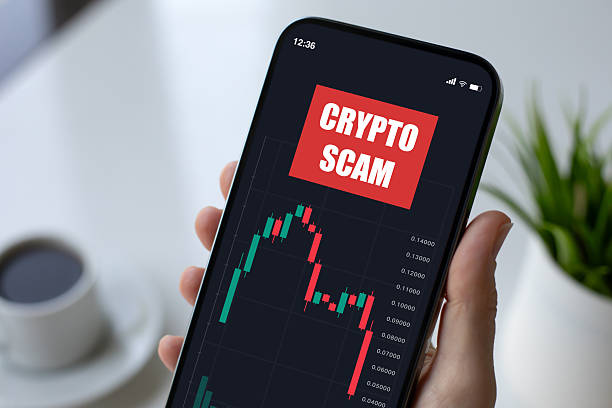
As Netflix’s Squid Game became a global sensation, anonymous developers launched a cryptocurrency inspired by the series. The token’s price skyrocketed by more than 75,000%, drawing in investors who feared missing the next big opportunity. But there was one problem. People could buy the token, yet they couldn’t sell it.
The token’s code blocked most investors from selling their holdings. As more buyers entered the market, the price kept climbing because selling was almost impossible. To anyone watching the chart, the token looked like one of the best-performing assets in crypto. In reality, investors had walked into a one-way trap.
Once enough money flowed in, the developers drained the liquidity pools and disappeared with about $3.38 million. The token’s price collapsed to zero within minutes, leaving holders with assets they could no longer sell and no practical way to recover their money.
The entire project lasted about a week from launch to collapse. During that short period, it attracted more mainstream attention than many legitimate crypto projects receive in years, largely because of its astonishing price increase. Then, just days later, headlines shifted from explosive gains to total collapse. For many people, it became their first introduction to what a rug pull looks like and how quickly it can unfold.
2021-2024
The Pig Butchering Era: When Crypto Scams Became Personal
More than $3.5 billion lost annually at the peak, with billions more stolen worldwide
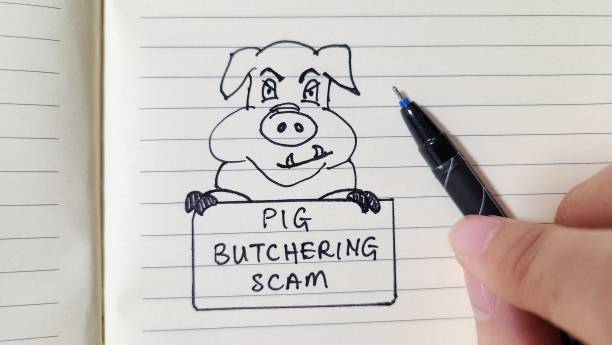
Pig butchering, known in Chinese as shā zhū pán or “pig slaughtering plate,” became one of the most damaging crypto scams of the 2020s. Unlike earlier scams that relied on speed and volume, this one relied on patience. Scammers spent weeks or even months building trust with a single victim before asking for money.
The fraud usually begins with an unexpected message on a dating app, social media platform, or messaging service. The person behind the account appears attractive, successful, and friendly. Conversations start casually and continue over weeks, sometimes months. As trust grows, so does the relationship. Only after that connection feels genuine does the conversation shift toward investing.
Trust Comes Before the Theft
When the investment opportunity finally appears, it feels personal instead of promotional. The scammer claims to have access to an exclusive trading platform or a profitable opportunity and offers to share it with someone they “care about.”
The platform looks legitimate, but every number on the screen is controlled by the scammers. Victims watch their balances grow and may even complete a small withdrawal, convincing them that everything works as promised. Once they invest a larger amount, the platform blocks withdrawals and demands taxes, verification charges, or other fees before releasing the funds. Those payments become part of the theft. Soon afterward, the platform disappears, and so does the person behind the relationship.
What made pig butchering different was the organization behind it. Investigations traced many operations to scam compounds across Southeast Asia, particularly in Myanmar, Cambodia, and Laos. Criminal groups forced many workers into these compounds after luring them with fake job offers. Once inside, they operated multiple fake identities at the same time, following scripts and conversation guides designed to keep victims engaged. Some organizations even relied on psychologists to refine manipulation tactics and data analysts to identify the approaches that produced the highest success rates.
The FBI reported $3.5 billion in pig butchering losses in the United States alone during 2023. Worldwide losses are believed to be several times higher. Many victims were middle-aged or older adults with savings, limited experience with cryptocurrency, and the kind of loneliness that made consistent attention from a new online connection feel genuine. More than almost any other crypto scam, pig butchering showed that fraud does not always prey on greed. Sometimes, it preys on the need for trust, companionship, and human connection.
2022
FTX: The Scam That Wore Institutional Clothes
$8 billion in customer funds misused
We covered FTX in detail in our Bitcoin history research, but it also deserves a place in the history of crypto scams because it showed that fraud does not always hide behind anonymous founders or unrealistic promises. Sometimes, it looks like a trusted institution.
Unlike BitConnect or OneCoin, FTX did not promise extraordinary returns or market itself as the next big investment opportunity. It presented itself as a professional cryptocurrency exchange backed by respected investors, engaged with regulators, and led by a founder who publicly embraced effective altruism. To most people, it looked like one of the safest companies in the industry.
That image was everywhere. FTX bought the naming rights to a major sports arena, ran Super Bowl commercials, and signed endorsement deals with celebrities including Tom Brady, Gisele Bündchen, and Stephen Curry.
Behind the Trusted Image
Behind the scenes, FTX transferred customer deposits to its sister trading firm, Alameda Research. Alameda used those funds for investments, loans, and operating expenses. When those bets unraveled during the 2022 bear market, FTX could no longer cover the money customers believed was safely sitting in their accounts.
The crisis came to a head in November 2022 after Binance announced it would sell its FTT holdings. Customers rushed to withdraw their funds, and within days the exchange could no longer meet those requests. The missing $8 billion quickly came to light. In November 2023, a jury convicted Sam Bankman-Fried on seven counts of fraud and conspiracy. Four months later, in March 2024, he received a 25-year prison sentence.
FTX changed how many people think about crypto fraud. It showed that polished branding, regulatory meetings, celebrity endorsements, and institutional investors do not prove a company is financially sound. They can build confidence, but they cannot replace transparency.
One of the biggest warning signs was the absence of proof of reserves. After the collapse of Mt. Gox, many people expected exchanges to demonstrate that customer assets matched their liabilities on-chain. FTX never provided that evidence. Had more investors and institutions treated that omission as the warning sign it was, the fraud would have been much harder to sustain.
How Crypto Scams Evolved Over Time
Crypto scams have changed dramatically over the past fifteen years, but the pattern has remained the same. Every new wave builds on the last one. As investors learn to recognize one type of fraud, scammers adjust their tactics and look for new ways to earn trust and avoid detection.
The early years, from 2011 to 2016, were dominated by simple scams. Fake exchanges, poorly secured trading platforms, and Ponzi schemes caused many of the biggest losses. As documented in our crypto hacks research, the collapse of Mt. Gox and other exchanges pushed the industry toward cold storage, multi-signature wallets, and stronger custody practices. As those safeguards became more common, scammers adapted.
Each Wave Built on the Last
The ICO boom between 2017 and 2018 shifted the focus to investment fraud. Projects raised millions through token sales despite having little chance of delivering what they promised. OneCoin and BitConnect became the best-known examples, but hundreds of smaller ICOs followed the same playbook. That wave of fraud attracted greater regulatory attention, leading to stronger SEC enforcement and more rigorous due diligence from venture capital firms investing in crypto.
The DeFi boom between 2020 and 2022 introduced rug pulls on a massive scale. Launching a token became easy, and decentralized exchanges gave founders a quick way to attract liquidity before disappearing with investors’ funds. Audits, liquidity locks, and time-locked developer allocations reduced some of the most obvious rug pulls, but they never stopped them. As shown in our memecoin research, platforms like Pump.fun made it possible to launch thousands of tokens every day, overwhelming safeguards that depended on reviewing projects one by one.
Today, crypto scams have changed again. Since 2023, three types of crypto scams have stood out. Pig butchering combines emotional manipulation with fake investment platforms. AI allows scammers to create convincing fake videos, voice recordings, and celebrity endorsements at almost no cost. At the same time, politically connected token launches, including the TRUMP and LIBRA tokens, showed that insiders can extract billions of dollars in full public view while facing little accountability.
$2.17B
Reported crypto scam losses in 2025 alone
This figure includes only reported losses from identified scams. The FBI’s Internet Crime Complaint Center estimates that actual crypto fraud losses are typically three to five times higher because many victims never report what happened. Some feel ashamed, others don’t know where to report the crime, and many believe there is little chance of recovering their money. The true figure for 2025 likely exceeded $6 billion.

Warning Signs Every Crypto Scam Shares
The most important lesson from the history of crypto scams is not the individual scams themselves. It is how often the same warning signs appear. Every major crypto fraud covered in this guide showed several of these red flags before it collapsed. No single warning sign proves a project is fraudulent, but when several appear together, history shows they deserve serious attention.
Guaranteed Returns
No legitimate investment guarantees returns. Bitcoin doesn’t guarantee returns. Ethereum doesn’t guarantee returns. No trading bot, AI arbitrage system, or proprietary algorithm can produce guaranteed profits in a market as volatile as cryptocurrency.
Every scam in this guide, including OneCoin, BitConnect, PlusToken, and MTI, promised guaranteed or nearly guaranteed returns. That promise was the foundation of each project’s marketing and remains one of the clearest warning signs in crypto.
Claims That Can’t Be Verified
OneCoin’s blockchain did not exist. BitConnect’s trading bot did not exist. MTI’s AI system did not exist. Each project made claims that sounded convincing to people without the knowledge to verify them.
The best defense is simple. Legitimate blockchain projects publish open-source code that anyone can inspect. Legitimate exchanges can prove their reserves on-chain. If a project makes claims that cannot be independently verified, treat those claims with skepticism until the evidence says otherwise.
Multi-Level Marketing
Legitimate investments do not pay people to recruit new investors. Businesses may offer referral bonuses, but those payments come from marketing budgets, not from money deposited by new participants.
If a crypto project rewards you more for recruiting people than for the product or service itself, the project depends on constant recruitment instead of creating lasting value.
Anonymous or Unverifiable Teams
Bitcoin’s anonymous creator helped normalize pseudonymous identities in crypto, but anonymity should never replace accountability.
If a project’s founders cannot be identified, they cannot be held responsible when something goes wrong. And when problems appear, anonymous teams can disappear just as quickly. Ruja Ignatova was one of the few founders who operated publicly, and that made OneCoin easier to investigate. Most anonymous founders leave behind far fewer answers.
Withdrawal Restrictions
The moment a platform makes it difficult, expensive, or impossible to withdraw your money, you should pay attention.
Legitimate platforms process withdrawals. When a company starts blaming “technical issues,” “regulatory compliance,” “tax payments,” or “security reviews” for repeated delays, those explanations are usually excuses.
The Squid Game token prevented investors from selling from the beginning. FTX’s inability to process withdrawals in November 2022 became the first public sign that billions of dollars in customer funds were missing.
Pressure to Act Quickly
Legitimate investments do not disappear overnight.
Scammers create urgency because urgency discourages questions. They tell people to act before a bonus expires, buy before prices rise, or recruit friends before an opportunity closes. The goal is always the same: stop people from researching, asking for advice, or thinking critically before sending money.
Every major crypto scam in this article relied on some form of time pressure. The urgency is not proof of fraud, but it is always a warning sign worth taking seriously.
The scammer’s most powerful tool is not technology. It is social proof.
Every major crypto scam in this guide relied less on technology than on the confidence people gained from watching others participate. BitConnect used YouTube promoters to convince their audiences. PlusToken grew through WeChat communities. SafeMoon thrived on Twitter. OneCoin expanded through a multilevel marketing network that reached 175 countries.
People naturally look to others when deciding what is safe and trustworthy. If thousands of investors appear to be making money, joining them feels far less risky than staying on the sidelines. Scammers understand this. Their goal is not simply to make a project look legitimate. Their goal is to build a large, enthusiastic community that makes skepticism feel unnecessary.
The best defense is to judge an investment on its own merits, not on the excitement surrounding it. A large community shows that a project attracted attention. It does not prove the investment is legitimate.
How Crypto Scams Changed After Each Wave and What Didn’t
Every major crypto scam leaves something behind. Some change the law. Others change how the industry operates. But every wave also exposes the limits of those changes.
The collapse of Mt. Gox made proof of reserves an industry expectation. The ICO fraud wave pushed the SEC to treat many token sales as securities offerings and encouraged venture capital firms to apply stricter due diligence before backing crypto projects. The DeFi era brought smart contract audits, liquidity locks, and time-locked developer allocations into the mainstream. After FTX collapsed, exchanges once again faced pressure to prove they held customer assets, while governments accelerated crypto regulation, leading to the passage of the GENIUS Act in July 2025.
Even with those improvements, the biggest weakness remains the same. Fraud succeeds because it targets people, not just technology.
Smart contract audits cannot stop pig butchering scams. Proof of reserves cannot prevent guaranteed-return Ponzi schemes. New regulations cannot stop fake celebrity endorsements or social media impersonation. Each new safeguard addresses the weaknesses exposed by the last wave of scams. The next wave finds a different way in.
That is why education remains the strongest defense. Anyone who understands that guaranteed returns do not exist, anonymous teams cannot be held accountable, and social proof is a persuasion tactic rather than evidence of legitimacy is far less likely to fall for a scam, regardless of how regulations evolve.
As documented in our bull run psychology research, late-stage bull markets weaken the critical thinking that helps people recognize fraud. When market euphoria meets limited knowledge of how crypto scams work, the result is the same pattern that has repeated throughout every cycle.

What I’m Watching
Crypto scams continue to change, but three developments stand out as we move through 2026.
The first is the rise of AI-generated impersonation. Fake videos, cloned voices, and fabricated interviews have become convincing enough that many people struggle to tell them apart from authentic content. Fund managers, celebrities, politicians, and crypto founders can all be impersonated with tools that cost very little to use. Combined with crypto’s permissionless payment system, these tools give scammers new ways to reach and deceive victims.
The second is the next phase of pig butchering scams. Law enforcement operations in Myanmar, Cambodia, and Laos disrupted some of the scam compounds that drove the wave of attacks between 2022 and 2024. Even so, many operators have relocated and rebuilt their networks. More worrying, some groups have started using AI to automate the early conversations that once required human workers. That could allow them to contact far more people while spending much less time and money building trust.
There is more…
The third is accountability for politically connected token launches. The TRUMP and LIBRA tokens showed that insiders can extract large amounts of wealth from retail investors through carefully structured token launches, even in regulated markets. Whether the people behind those launches face legal consequences will shape how future insiders view the risks of using the same approach. The blockchain already provides a detailed public record of what happened. The remaining question is whether regulators and prosecutors will act on that evidence.
The history of crypto scams tells the same story again and again; the tools change, the technology changes, and the tactics change. But the goal remains the same.
Scammers succeed when they understand people better than people understand the risks. Closing that gap through education, critical thinking, and careful research remains the strongest defense any investor has.

Key Takeaways
Crypto scams follow bull markets. Every major bull cycle, including 2013, 2017, 2021, and 2024-2025, produced its own wave of fraud. As market optimism peaked, so did investor risk-taking, creating the conditions scammers needed to succeed.
OneCoin became the largest crypto fraud by funds raised. The project collected about $4 billion from 3.5 million investors across 175 countries despite having no blockchain. Founder Ruja Ignatova disappeared in 2017 and, as of mid-2026, remains on the FBI’s Ten Most Wanted list.
BitConnect exposed the dangers of guaranteed returns. The platform collapsed in January 2018 after operating a $2.4 billion Ponzi scheme built around a fictional trading bot. The case also showed that people who promote fraudulent crypto projects can face legal consequences alongside the founders.
Pig butchering has become one of today’s most damaging crypto scams. Instead of relying on hype, these scams build trust over weeks or months before directing victims to fake investment platforms. The FBI reported $3.5 billion in pig butchering losses in the United States during 2023 alone.
The same warning signs appear again and again. Guaranteed returns, claims that cannot be verified, multi-level marketing structures, anonymous teams, withdrawal restrictions, and pressure to act quickly appeared before every major crypto scam covered in this guide. While no single red flag proves a project is fraudulent, several appearing together should never be ignored.
Social proof remains the scammer’s strongest advantage. Large online communities, enthusiastic promoters, and viral hype can make fraudulent projects appear trustworthy. The best defense is to judge an investment on its own merits, not by how many people seem to support it.
Sources & Further Reading
- Biggest Crypto Frauds in History — Analytics Insight
- The Wildest Scams in Crypto History — Phemex Academy
- Top 10 Biggest Crypto Frauds in History — Sanction Scanner
- Top 10 Biggest Crypto Scams in History — Crypto Prosperity
- 5 of the Biggest Crypto Ponzi Schemes — CoinMarketCap Academy
- The 7 Biggest Crypto Scams of All Time, Ranked — Techloy
- 7 Most Famous Crypto Scams: How Do Criminals Steal Money? — Trakx
- The 5 Largest Crypto Fraud Cases in History — AML Cube
- The Biggest Scams and Hacks in Cryptocurrency History — Bitformance
- 10 Biggest Crypto Scams in History and Lessons for Investors — TechForing
- FBI Internet Crime Complaint Center — Annual Crypto Fraud Reports
- Sam Bankman-Fried Sentenced to 25 Years in Prison — US DOJ